Live Lighter All Year: Rotate With Purpose, Store With Grace
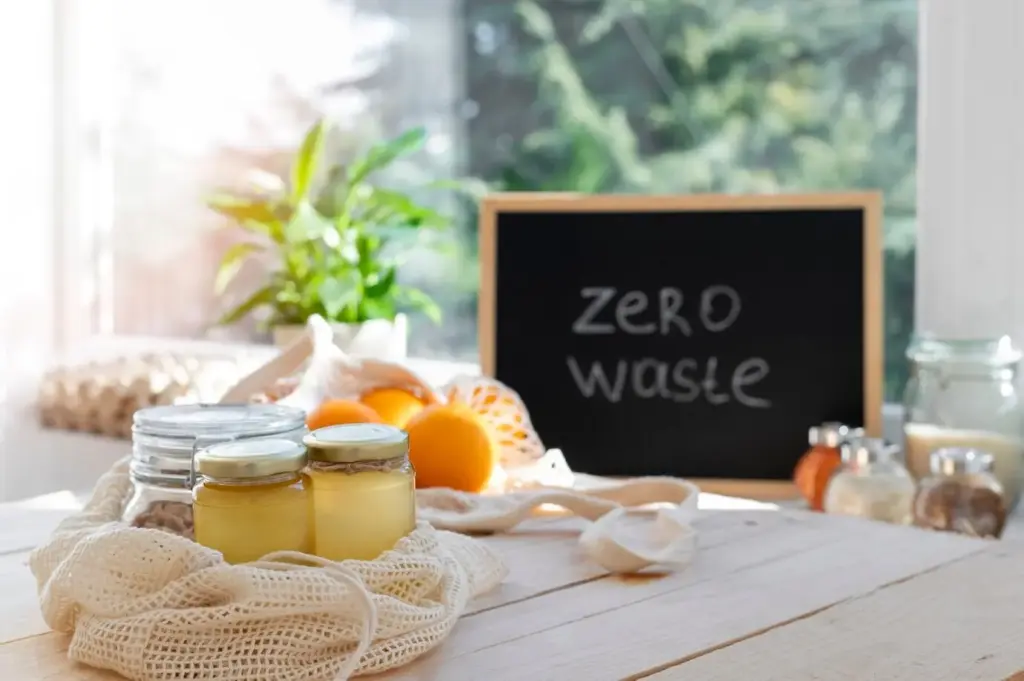
Today we dive into seasonal rotation and storage strategies for a minimalist home, turning deliberate choices into daily ease. Expect practical checklists, breathable containers, calendar-tied rituals, and tiny-space stories. Use what you own more often, store less, and create gentle transitions that keep surfaces clear, closets calm, and your attention free for living, not shuffling belongings between corners and boxes.

A Five-Minute Room Scan

Stand at the doorway and scan for items that only serve the current weather. Tag them mentally, then physically. This ultra-brief ritual, repeated weekly, prevents end-of-season overwhelm. You catch umbrellas in July, fleece throws in May, citrus candles in January. Comment with your funniest misplaced item; honesty makes the process lighter and helps others feel less alone.

Define Comfort Thresholds

Write down personal comfort ranges for temperature and daylight, then link belongings to those thresholds. When evenings dip below your sweater point, rotate in knitwear and retire linen. This simple chart guides timing without guesswork. It also counteracts aspirational clutter by anchoring choices to your body’s reality, not trends. Share your ranges to crowdsource smarter, locality-tuned calendars.

Create a Not-To-Keep List

Minimalism thrives on boundaries. Draft a short list of items you never store again: ill-fitting coats, stained holiday linens, broken patio lights. Keep it visible during rotation. Each season, add one more category you refuse to manage. Post your list in the comments to inspire decisive letting go, and revisit it quarterly to celebrate measurable progress.

Build Seasonal Capsules That Actually Serve You

Choose anchor garments for the season, then add flexible layers that span microclimates. Keep one emergency outfit from the opposite season accessible for odd days. Fold or hang everything else in breathable containers, not vacuum tombs. Photograph the capsule for quick reference. Share your five most-worn pieces after a month and notice how clarity trims the rest naturally.
Group seasonal consumables—sunscreen, citronella, humidifier filters, fireplace matches—into labeled pouches. Track usage in a simple note so you reorder intentionally, not impulsively. When the season turns, review leftovers before storing, discarding expired items. This cadence saves money and shelf space. Comment with your most surprising seasonal consumable and how long it truly lasts in your household.
Limit decor to a small, cohesive kit per season: a wreath, two textiles, and one scent. Rotating a few high-impact accents changes mood without storage sprawl. Choose neutral bases so seasonal touches shine. Photograph vignettes to recreate them effortlessly next year. Share a picture or description of your simplest, happiest swap to inspire restrained, meaningful atmosphere shifts.

Storage That Breathes: Containers, Labels, and Access

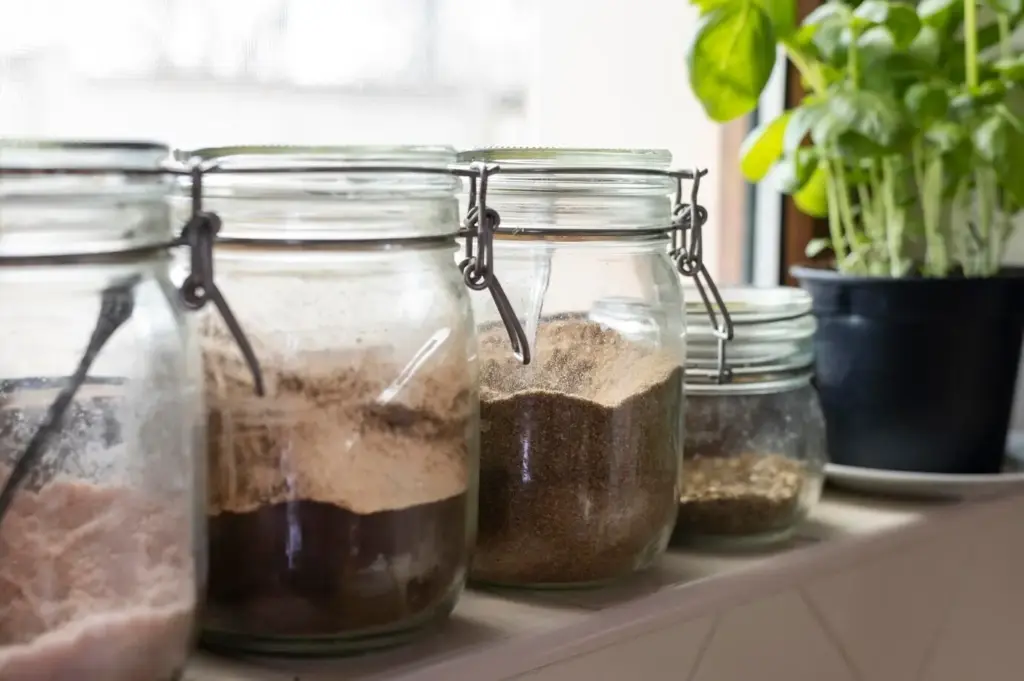
Efficient storage protects items and your time. Favor breathable bins for fabrics, clear boxes for gear, and sturdy lids for garages or attics. Keep heavy items low and fragile pieces high. Label generously so future-you smiles, not sighs. Organize by frequency of use, not category alone. Tell us your labeling system—color, words, or icons—and what finally made it stick.

Choose Materials Wisely

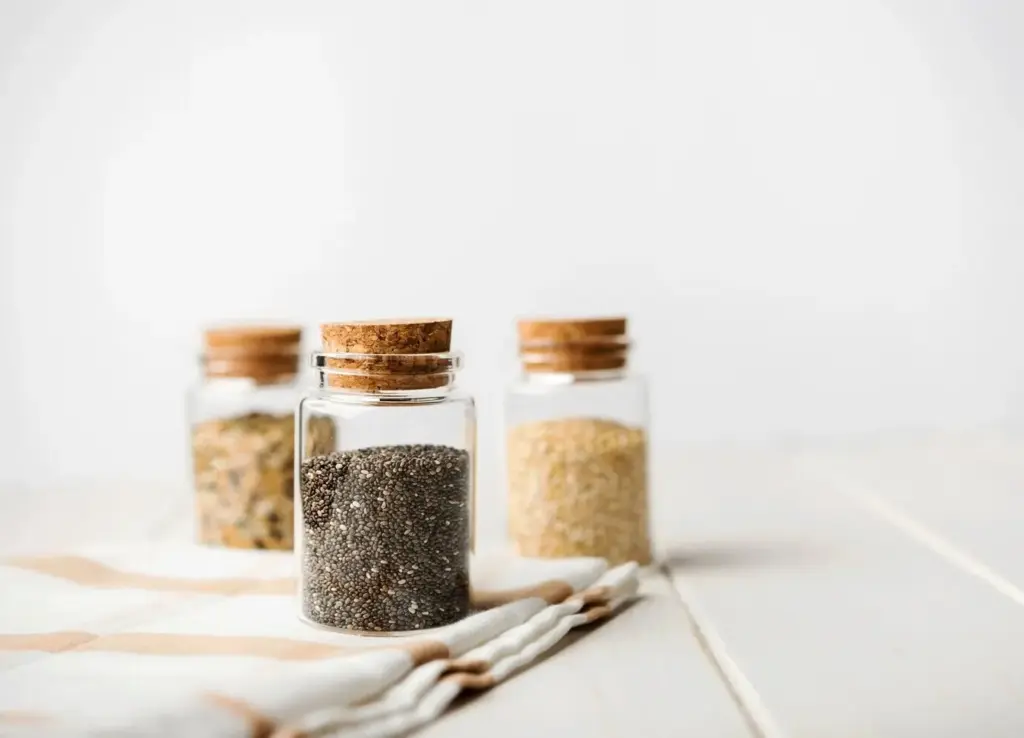
Natural fibers appreciate airflow; synthetics tolerate tighter packing. Use cotton zip bags for sweaters, acid-free paper for linens, silica packets where humidity sneaks in. Avoid overstuffing; compression invites wrinkles and regret. If pests are a concern, cedar and lavender help gently. Share your climate and what container combo has kept fabrics fresh through extreme seasons without plastic overload.

Labeling For Future You

Write labels like instructions to a friend: concise, visible, and kind. Include item type, size range, and the next rotation date. Add a micro-inventory on the side. Use bold, legible fonts or large handwritten tags. Photograph the stack for digital backup. Drop your favorite labeling hack below so someone else discovers their new, wonderfully obvious system today.

The One-Touch Shelf Rule

Design shelves where rotations require a single touch per bin: pull, place, done. No teetering stacks or mystery containers behind others. Use shelf dividers and pull-out trays to maintain order. Reserve eye-level for items used within two weeks. Report your before-and-after timing for seasonal swaps; we celebrate every minute reclaimed for reading, walking, or simply resting.

The Two-Hour Swap Weekend

Block two hours, set a cheerful timer, and move room by room. Pre-stage empty bins, labels, and a donation bag. Take before photos, then glide through decisions using your comfort thresholds. End with a small reward. Share your playlist and timing; community-tested rhythms help newcomers start strong and veterans refine their flow without overcomplicating a beautifully simple practice.

Invite Family Participation

Assign age-appropriate roles: kids sort hats, teens label bins, adults check repairs. Give each person a tiny win, like a refreshed shelf or a rediscovered favorite. Celebrate with hot cocoa or lemonade, depending on the season. Post a quick reflection together. Tell us which job sparked unexpected pride; shared ownership keeps order alive when busy weeks roll in.

Preserve, Repair, and Let Go

Care turns rotation into stewardship. Clean before storing, mend quick fixes immediately, and release items that no longer serve. A short maintenance session each quarter prevents giant to-do piles later. Note repair tutorials you trust. We’d love your favorite stain-removal trick or cobbler recommendation—practical wisdom shared generously keeps more goods useful and fewer things forgotten in boxes.

Design Your Space for Flow

Arrange zones so rotations glide through predictable paths. Keep intake near the door, quarantine returns by the exit, and stage seasonal bins close to action. Use vertical space for rarely used items, horizontal space for daily essentials. Gentle constraints reduce clutter creep. Tell us your smallest but most impactful layout tweak; others will replicate your smart, human-scale solution.
Xofuluxozavulinomiramu
Privacy Overview

This website uses cookies so that we can provide you with the best user experience possible. Cookie information is stored in your browser and performs functions such as recognising you when you return to our website and helping our team to understand which sections of the website you find most interesting and useful.